The Thing That Has Nothing to Do With Work Is the Reason I’m Good at Work
I’ll be honest with you: there are nights I don’t get finished with work until 9 pm, and the last thing any reasonable person would do is sit down and write 1,500 words about a 1983 Italian slasher film nobody has thought about in four decades.
I do it anyway.
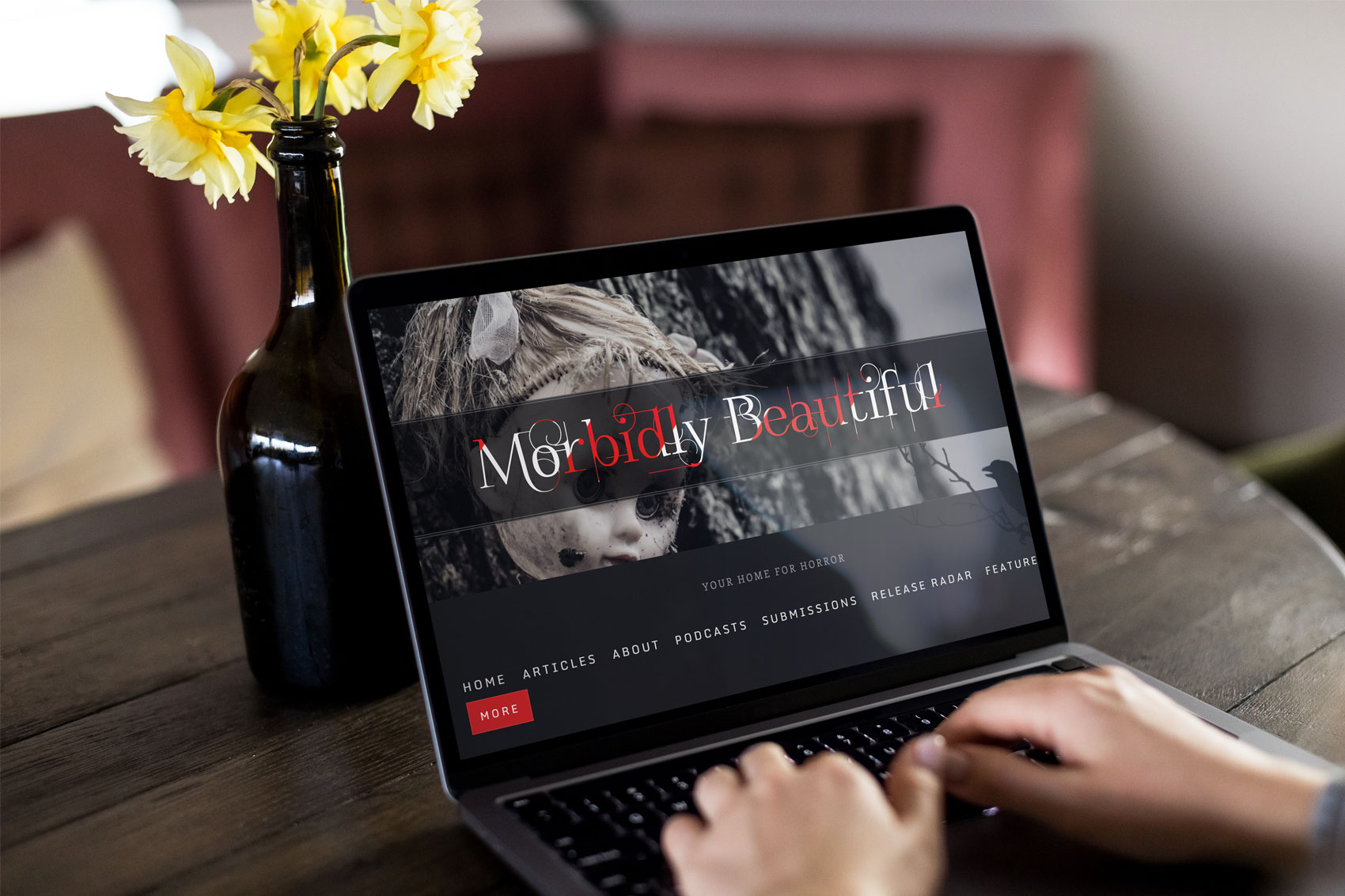
I run a horror film website. Have for years. It’s not a side hustle. It doesn’t make me money, it doesn’t “build my brand,” and it doesn’t show up anywhere on my LinkedIn. It’s just mine. A corner of the internet where I get to care deeply and loudly about a genre that has always felt like home to me. Arthouse aesthetics. Midnight premieres. Thought-provoking allegories for our collective anxieties and fears. The way a practical effect in a low-budget film can be more terrifying than anything a $200 million production can manufacture. I love it unreasonably. I always have.
And for a long time, I felt vaguely guilty about it.
I work long hours. I throw myself completely into my career. So every hour spent in a darkened theater or in front of my laptop cranking out the latest indie film review felt like time stolen from “The professional”—the one with deadlines and deliverables and a commitment to career excellence.
What I’ve come to understand is that I had it exactly backward.
THE PASSION PROJECT ISN’T THE DISTRACTION. THE BURNOUT IS.
When I’m running on empty, I am objectively worse at my job. I’m slower. I’m less creative. I default to the safe answer instead of the interesting one. I stop asking the second question in a conversation because I don’t have the bandwidth to be genuinely curious about the answer.
But when I’ve just spent a weekend deep in the filmography of someone whose work I find genuinely thrilling? When I’ve written a piece I’m proud of, not because it performed well but because I got the thing on the page, the real thing, the feeling I was trying to name? I come into work on Monday differently. Sharper. More like myself.
This is not a coincidence.
The film site forces me to practice skills my day job depends on: critical thinking, clear writing, and the ability to make someone care about something they didn’t know they cared about.
It forces me to act in a context completely free from stakes. No one is evaluating my coverage of the latest obscure indie release against quarterly targets. I’m not performing for an audience that needs me to be impressive. I’m just thinking and then writing down what I think.
That freedom is doing something to my brain that no professional development seminar ever has.
WHAT I MEAN WHEN I SAY, “THERE’S NO TIME.”
I know what it feels like to look at your calendar and genuinely not see where a passion project could possibly live. I’ve been there. I am often still there.
But I’ve also learned to interrogate that feeling, because “I don’t have time” is almost never the complete truth. The more accurate version is usually: I don’t have the kind of time I imagine I need, so I don’t use the time I actually have.
We romanticize creative work. We think we need a clear afternoon, a quiet house, the right mood, the right light. And when those conditions don’t materialize — which is most of the time, for most of us — we don’t do the work at all.
The site cured me of that. It had to. Either I wrote during the 40 minutes I had on a Tuesday night, or I didn’t write. Either I watched the film in two sittings with a day in between, or I didn’t watch it at all. The work started happening in the margins, and I began to realize the margins were more spacious than I thought.
Here’s what I actually do, in case any of it translates to your life:
1. I PROTECT SMALL WINDOWS RATHER THAN WAIT FOR BIG ONES.
Forty minutes is enough to draft something rough. Twenty minutes is enough to watch a short film or read a review that sparks an idea. I stopped waiting for the Saturday afternoon that might never come and started showing up on Tuesday night that definitely exists.
2. I LET IT BE BAD FIRST.
The post doesn’t have to be good when I write it. It has to exist. I have published things on this site that I wrote half-asleep, and I ended up being proud of them after a second pass. Perfectionism is a luxury for people with unlimited time, and I don’t have that, so I gave it up.
3. I TREAT IT LIKE AN APPOINTMENT
I’m not precious about a streak, and I allow myself grace for the days when the “to-do” list is too big, and the brain is too foggy. The important thing is there’s a rhythm. The site is on the calendar the same way a meeting is. When I’m tired and want to skip it, I mostly don’t, because I know that the version of me who shows up on the other side of an hour spent doing something I love is a better person than the one who spent that hour scrolling.
4. I STOPPED APOLOGIZING FOR IT.
This one took longer than the rest. I used to frame the site as a quirky hobby, something slightly embarrassing, a “fun little thing I do.” What I actually do is serious critical writing about an undervalued art form, and I do it because it matters to me. The moment I stopped treating it as secondary, it stopped feeling like a distraction and started feeling like a practice.
THE REAL RETURN ON INVESTMENT
Here’s what nobody tells you about having a passion project: it will remind you who you are when your job is doing its best to flatten you into a function.
Work has a way of making you into the thing it needs you to be. Reliable. Responsive. Efficient. Those aren’t bad things. But they’re not the whole of you, and if you’re not careful, you wake up one day and realize you’ve been so busy being useful that you’ve forgotten how to be alive.
The horror site is where I remember. It’s where I get to have tastes, opinions, and enthusiasms that have nothing to do with being productive. It’s where I get to love something stupidly and without justification, which turns out to be exactly the muscle you need for the parts of your career that require genuine creative risk.
I’m better at my job because I have something that has nothing to do with my job.
If you’ve been putting yours off — the novel, the band, the blog about Byzantine history, whatever strange and specific thing lives in you — I’m not going to tell you to find the time. I’m going to tell you to use the time you already have, imperfectly, inconsistently, without waiting for conditions that are never coming.
The work will be rough at first. That’s fine. Rough is what becomes real.
And you might be surprised, eventually, by who shows up to the day job on Monday.